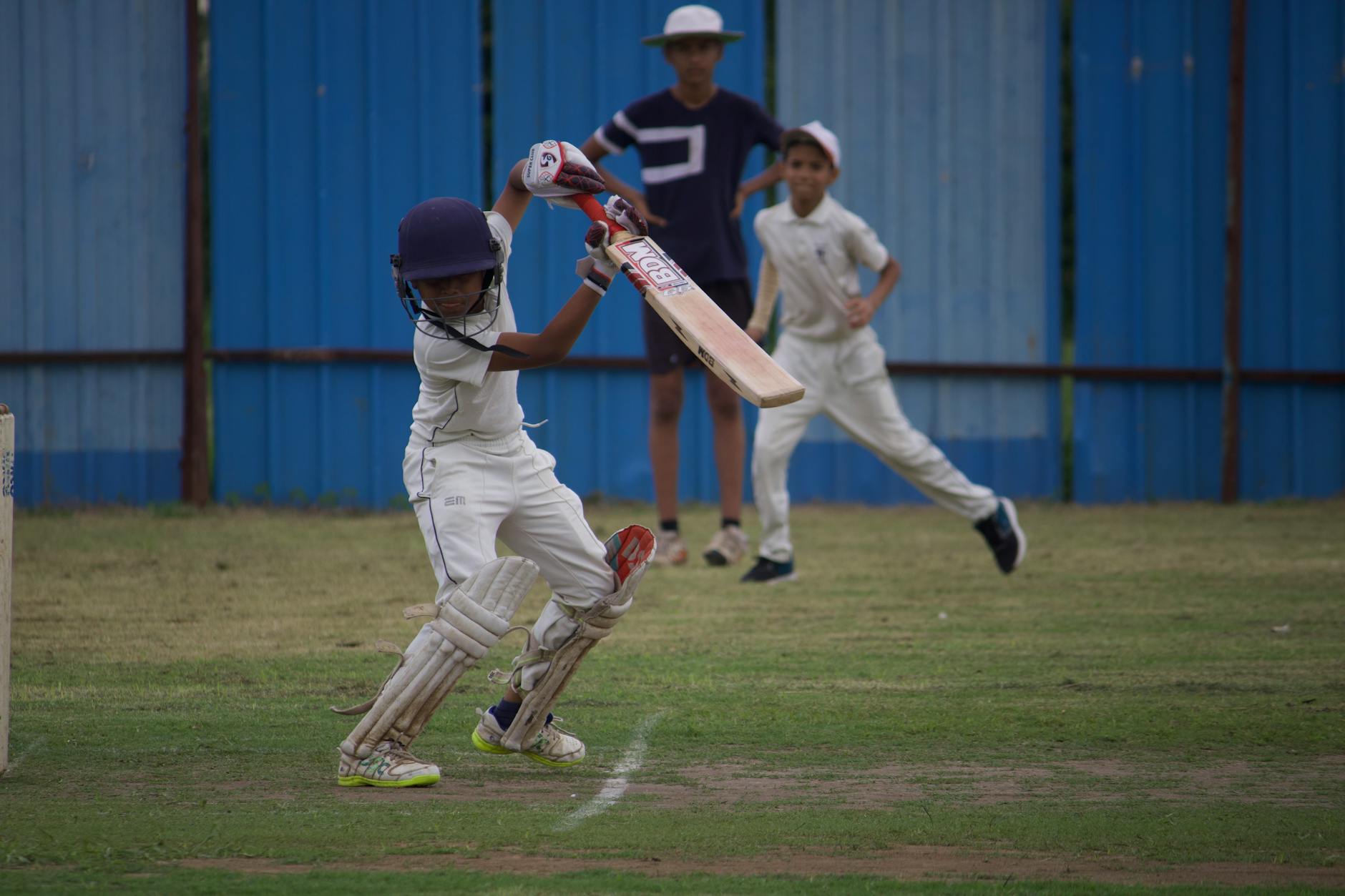
Delhi Capitals Opt to Bowl as WPL Brings Fresh Talent to the Pitch
In a bold move that could shift the balance of the Women’s Premier League, the Delhi Capitals chose to bowl first against the Mumbai Indians in Vadodara on 20 January 2026. The decision came as Delhi sat at the foot of the points table, while Mumbai—second‑placed but tied on points with UP Warriorz and Gujarat Giants—looked to shake up a line‑up that had already seen four changes. The match also marked the WPL debut of 16‑year‑old batter Deeya Yadav for Delhi and the first appearances for left‑arm spinner Vaishnavi Sharma and wicket‑keeper Rahila Firdous of the Mumbai Indians.
The Gist
- Delhi Capitals elect to bowl against Mumbai Indians, the only bottom‑table team to make that choice.
- 16‑year‑old Deeya Yadav makes her WPL debut for Delhi, becoming the youngest player in league history.
- Mumbai Indians overhaul their XI, dropping Amelia Kerr and introducing Vaishnavi Sharma, Rahila Firdous, Shabnim Ismail and Poonam Khemnar.
- Both teams field new wicket‑keepers: Shafali Verma for Delhi, Rahila Firdous for Mumbai.
- Vadodara pitch, full of cracks, expected to be slower and lower, with skewed square boundaries of 52 m and 61 m.
The Details
Delhi Capitals, after just four matches and one win, sat at the bottom of the WPL standings. Their captain, Jemimah Rodrigues, anticipated a ball that would “skid on a lot more under lights and some dew later in the game,” prompting the decision to bowl first. This tactic mirrors the earlier 20‑day‑old Delhi side’s approach but flips the traditional strategy for a bottom‑ranked team. Rodrigues also handed the debut to 16‑year‑old Deeya Yadav of Haryana, who has been described as a “six‑hitting machine.” At 16 years and 103 days, Deeya eclipses last year’s youngest WPL player, G Kamalini, who was 16 years and 213 days old.
In contrast, Mumbai Indians—currently second in the table but tied on points with UP Warriorz and Gujarat Giants—made a sweeping change to their XI. They omitted Amelia Kerr, their first‑choice wicketkeeper, after she was ruled out of the tournament earlier in the week. Their replacement, left‑arm spinner Vaishnavi Sharma, made her debut alongside Rahila Firdous, who will be the third debutant for the day. Additionally, the Indians added pace bowler Shabnim Ismail and batter Poonam Khemnar to the lineup. The squad also saw the omission of Triveni Vasishtha and Kranthi Reddy, further altering the team's dynamics.
The Vadodara pitch, known for its cracks, is expected to be slower and lower compared to the ground in Navi Mumbai where the teams first met. The two square boundaries, at 52 m and 61 m, are notably skewed, potentially influencing both batting and bowling strategies. This second encounter between Delhi and Mumbai follows a decisive 50‑run win by Mumbai in their first meeting on 10 January 2026 in Navi Mumbai.
Delhi’s final XI featured Shafali Verma at number 1, Lizelle Lee (wk) at 2, Laura Wolvaardt at 3, Jemimah Rodrigues (capt) at 4, Marizanne Kapp at 5, Minnu Mani at 6, Niki Prasad at 7, Sneh Rana at 8, N Shree Charani at 9, Nandani Sharma at 10 and Lucy Hamilton at 11. The Mumbai lineup included S Sajana (wk) at 1, Hayley Matthews at 2, Nat Sciver‑Brunt at 3, Harmanpreet Kaur (capt) at 4, Nicola Carey at 5, Amanjot Kaur at 6, Rahila Firdous (wk) at 7, Poonam Khemnar at 8, Sanskriti Gupta at 9, Vaishnavi Sharma at 10 and Shabnim Ismail at 11.
Despite a single win from four matches, Delhi still holds a mathematical chance to reach the playoffs if they win this game. The match therefore carries a dual weight: a fight for survival in the standings and a platform to showcase emerging talent.
Why It Matters
The choice to bowl first signals a strategic pivot for Delhi, showing that the team is willing to take calculated risks to climb the ladder. The introduction of 16‑year‑old Deeya Yadav underscores the league’s commitment to nurturing young talent, while the simultaneous debuts of Vaishnavi Sharma and Rahila Firdous reflect Mumbai’s willingness to adapt after injuries. A slower, lower pitch in Vadodara could reward disciplined bowlers and test the resilience of new batters, making this clash a crucible for both teams’ tactical adaptability.
Beyond the immediate stakes, the match exemplifies the broader evolution of women’s cricket in India: a platform where young prospects can break into the professional arena, established players must continually prove their value, and teams must innovate to stay competitive. The outcome will not only influence the current playoff race but also set a precedent for how teams manage player development and strategic choices in the WPL’s fast‑moving environment.
